Inflammation is your immune system’s natural response to injury and infection; it is how a cut heals and a cold clears. The problem is chronic, low-grade inflammation, a slow simmer that can last for years and is linked to heart disease, type 2 diabetes, fatty liver, some cancers and joint pain. What you eat is one of the strongest everyday influences on that simmer. This guide explains the anti-inflammatory diet, which foods to eat and avoid, and how to put it on your plate.
What is an anti-inflammatory diet?
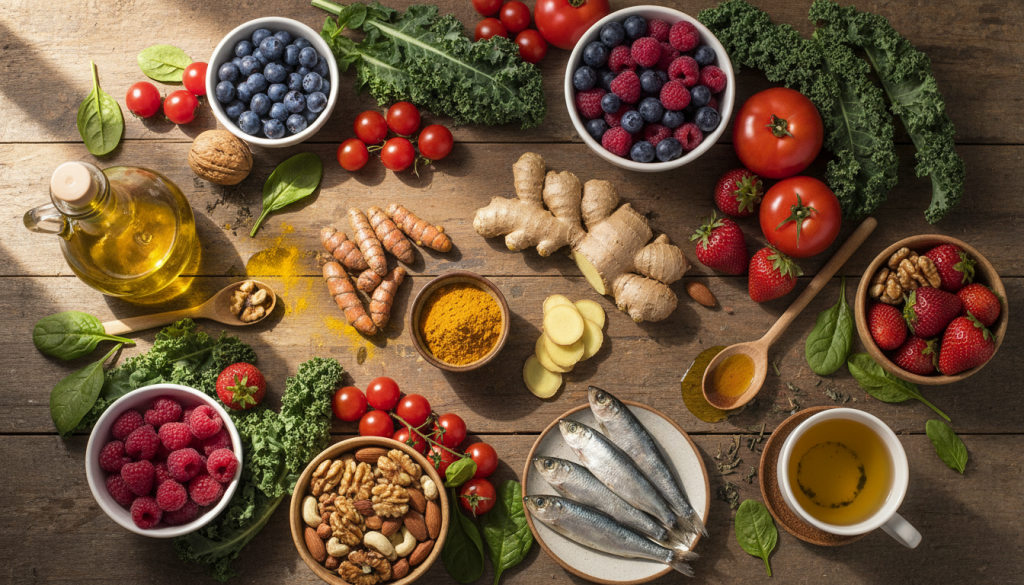
It is not a strict plan with rules and phases. It is an eating pattern built on whole, minimally processed plant foods, healthy fats and oily fish, closely resembling the Mediterranean diet. In the large PREDIMED trial, a Mediterranean diet supplemented with extra-virgin olive oil or nuts reduced major cardiovascular events by around 30% compared with a low-fat control diet. Studies also show these eating patterns lower blood markers of inflammation such as C-reactive protein (CRP).
Anti-inflammatory foods to eat
| Food group | Best choices | Why they help |
|---|---|---|
| Berries and colorful fruit | Blueberries, strawberries, cherries, oranges, pomegranate | Rich in polyphenols and vitamin C |
| Leafy greens | Spinach, kale, Swiss chard, arugula | Antioxidants, folate, magnesium |
| Cruciferous vegetables | Broccoli, cauliflower, Brussels sprouts, cabbage | Contain sulforaphane and fiber |
| Oily fish | Salmon, sardines, mackerel, herring, trout | Omega-3 fats EPA and DHA |
| Extra-virgin olive oil | Use as your main cooking and salad oil | Monounsaturated fat and oleocanthal |
| Nuts and seeds | Walnuts, almonds, chia, flaxseed | Healthy fats, fiber, plant omega-3s |
| Legumes and whole grains | Beans, lentils, oats, barley, quinoa | Fiber that feeds healthy gut bacteria |
| Herbs and spices | Turmeric (with black pepper), ginger, garlic, cinnamon | Bioactive compounds with anti-inflammatory effects |
| Drinks | Green tea, coffee in moderation, water | Polyphenols |
Fiber deserves special mention: gut bacteria ferment it into short-chain fatty acids that help calm inflammation. Read more in our guide on how to improve gut health.
Foods that can fuel inflammation
- Sugary drinks such as soda, energy drinks and sweetened juices
- Refined carbohydrates including white bread, pastries and many breakfast cereals
- Processed meats such as bacon, sausages, hot dogs and deli meats
- Deep-fried foods and anything with partially hydrogenated oils (trans fats)
- Ultra-processed snacks high in sugar, refined starch and additives
- Excess alcohol
You do not need to eliminate these completely. Focus on making them occasional rather than daily.
A sample anti-inflammatory day
- Breakfast: oatmeal with blueberries, ground flaxseed, walnuts and a pinch of cinnamon; green tea.
- Lunch: large salad of leafy greens, chickpeas, cherry tomatoes, cucumber, avocado and quinoa, dressed with olive oil and lemon.
- Snack: an orange and a small handful of almonds, or plain yogurt with berries.
- Dinner: baked salmon with turmeric and garlic, roasted broccoli and a sweet potato.
- Dessert (optional): a square or two of dark chocolate (70% or higher).
Lifestyle factors matter too
- Body fat: excess visceral fat releases inflammatory signals, so losing weight lowers inflammation markers.
- Exercise: regular activity has a measurable anti-inflammatory effect. Try our beginner strength training plan.
- Sleep: even partial sleep loss raises inflammatory markers. See how much sleep you need.
- Smoking and chronic stress both drive inflammation.
What about turmeric and fish oil supplements?
Curcumin (from turmeric) shows some benefit for joint pain in studies, but it is poorly absorbed, quality varies and high-dose supplements have been linked to rare cases of liver injury. It can also interact with blood thinners. Fish oil lowers triglycerides and may help inflammatory joint conditions; see our guide to omega-3 benefits. Food first is the safest strategy; talk to a doctor before adding supplements.
Frequently asked questions
How long does an anti-inflammatory diet take to work?
Some people notice better energy and digestion within a few weeks. Changes in blood markers such as CRP are usually seen after one to three months of consistent eating.
Are nightshades inflammatory?
There is no good evidence that tomatoes, peppers, potatoes or eggplant cause inflammation in most people. A small number of people notice symptoms and may choose to limit them.
Is dairy inflammatory?
Research reviews generally find that dairy does not increase inflammation in healthy people, and fermented dairy such as yogurt may have a neutral or slightly beneficial effect.
Medical disclaimer: This article is for general education only and is not a substitute for personal medical advice. If you have an inflammatory or autoimmune condition, work with your doctor or a registered dietitian on your diet plan.
