Your gut is home to trillions of bacteria, fungi and other microbes, collectively called the gut microbiome. These microbes help digest fiber, produce vitamins, train the immune system and make compounds that influence inflammation, metabolism and even mood. A diverse microbiome is generally a healthier one. Here is how to improve gut health with everyday food and lifestyle choices.
Signs of an unhealthy gut
There is no single test for a “healthy gut,” but these signs suggest your digestion could use attention:
- Frequent bloating, gas or abdominal discomfort
- Constipation, diarrhea or alternating between the two
- Heartburn or indigestion
- Food intolerances that seem to be growing
- Unexplained fatigue
- Frequent use of antibiotics in the past
These symptoms are not specific, so persistent problems should be checked by a doctor to rule out conditions such as IBS, celiac disease or inflammatory bowel disease.
Prebiotics vs. probiotics
| Prebiotics | Probiotics | |
|---|---|---|
| What they are | Fibers that feed beneficial gut bacteria | Live beneficial microbes |
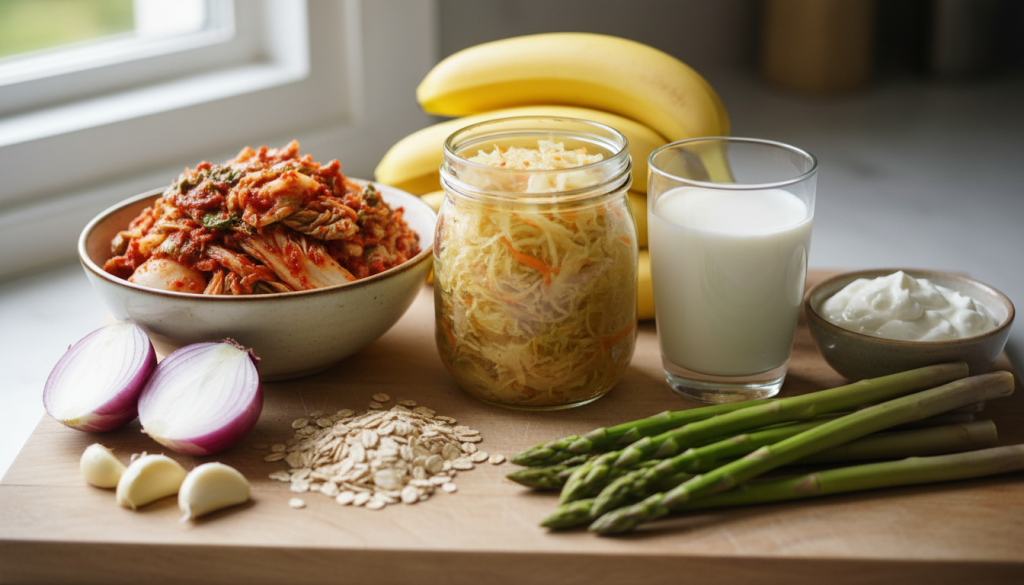
| Food sources | Garlic, onions, leeks, asparagus, bananas (slightly green), oats, beans, chicory root | Yogurt and kefir with live cultures, sauerkraut, kimchi, miso, tempeh, kombucha |
| Main benefit | Help your existing good bacteria thrive | Add beneficial bacteria, usually temporarily |
9 ways to improve gut health
1. Aim for 30 different plants a week
Findings from the American Gut Project suggested that people who ate 30 or more different plant foods a week had more diverse gut bacteria than those who ate 10 or fewer. Vegetables, fruit, whole grains, legumes, nuts, seeds, herbs and spices all count.
2. Eat more fiber
Gut bacteria ferment fiber into short-chain fatty acids such as butyrate, which nourish the cells lining the colon and help regulate inflammation. Most adults should aim for 25–38 g daily, increased gradually to avoid gas.
3. Add fermented foods
In a 2021 Stanford study, people who ate around six servings of fermented foods a day for 10 weeks increased their microbiome diversity and reduced several markers of inflammation. Start with one serving a day: yogurt, kefir, sauerkraut or kimchi.
4. Limit ultra-processed foods
Diets high in ultra-processed foods tend to be low in fiber and high in sugar, and some emulsifiers and artificial sweeteners have been shown to alter gut bacteria in early research. Follow an anti-inflammatory eating pattern instead.
5. Use antibiotics only when needed
Antibiotics save lives but can disrupt the microbiome for weeks or months. Never pressure a doctor for antibiotics for viral illnesses such as colds, and always take them exactly as prescribed when you need them.
6. Exercise regularly
Physical activity is associated with greater microbial diversity and more butyrate-producing bacteria, independent of diet.
7. Prioritize sleep
Gut microbes follow daily rhythms, and disrupted sleep is linked to changes in the microbiome. See our guide on how much sleep you need.
8. Manage stress
The gut and brain communicate constantly through the gut-brain axis. Chronic stress can change gut motility and sensitivity, worsening symptoms such as bloating and diarrhea. Breathing exercises, walking and talking therapies can help.
9. Drink enough water and limit alcohol
Fluids keep fiber working and stools soft. Heavy alcohol use irritates the gut lining and disrupts gut bacteria.
Should you take a probiotic supplement?
Probiotics have good evidence for some specific uses, such as reducing the risk of antibiotic-associated diarrhea, and certain strains may help some people with IBS. For healthy people, the benefits are less clear, and effects depend heavily on the strain. If you try one, choose a product that lists specific strains and colony counts, give it about four weeks and stop if you notice no benefit. People who are severely immunocompromised should ask their doctor first.
When to see a doctor
Seek medical advice for blood in your stool, unexplained weight loss, persistent diarrhea, difficulty swallowing, severe abdominal pain, signs of anemia or a lasting change in bowel habits, particularly if you are over 50. Iron deficiency can also be a sign of hidden bleeding or poor absorption; read about iron deficiency symptoms.
Frequently asked questions
How long does it take to improve gut health?
Gut bacteria respond to diet changes within days, but lasting changes in diversity build over weeks to months of consistent habits.
What is the best drink for gut health?
Water is essential. Kefir provides live cultures, and coffee and green tea contain polyphenols that gut bacteria use.
Are gut health tests worth it?
Direct-to-consumer microbiome tests are interesting but cannot yet give reliable, personalized medical advice. They are not a substitute for seeing a doctor about symptoms.
Medical disclaimer: This article is for general education only and is not a substitute for personal medical advice. See a doctor if you have persistent or severe digestive symptoms.
